PROJECT LIGTAS SUNOG
This isn't just a game — it's a thrilling, educational experience designed to teach lifesaving techniques while delivering heart-pounding action.
No credit card required • Free for residents
Fire Suppression Techniques
Different Methods of Putting Out a Fire
Knowing the right method can mean the difference between a minor incident and a catastrophe.
P.A.S.S. Fire Extinguisher Method
How to Use a Fire Extinguisher
Pull, Aim, Squeeze, Sweep — watch the correct technique.
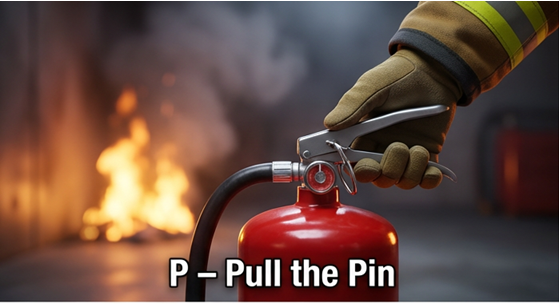
P — Pull the Pin
Remove the safety pin to unlock the extinguisher and break the tamper seal.
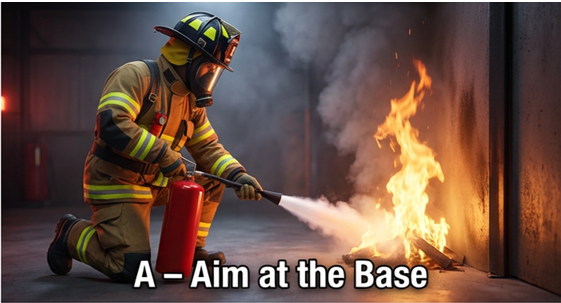
A — Aim at the Base
Direct the nozzle at the base of the fire — not the flames.
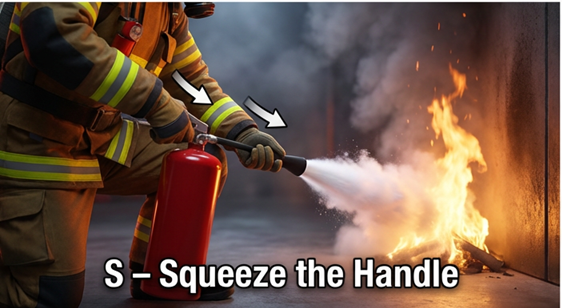
S — Squeeze the Handle
Squeeze the handle firmly to release the extinguishing agent.
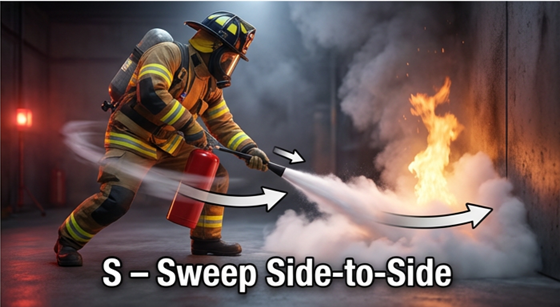
S — Sweep Side to Side
Move the nozzle slowly side to side until the fire is fully out.
Fire Hydrant — Operation & Purpose
Fire hydrants are critical urban infrastructure. Every resident should understand how they work.
BFP Firefighters in Action
Watch BFP personnel connect fire hoses to street hydrants during emergency response.
What is a Fire Hydrant?
A fire hydrant is an active fire protection measure — a connection point in the water supply network providing firefighters with rapid access to large volumes of water during an emergency.
How It Works
Connect the Hose
BFP firefighters attach a fire hose coupling to the hydrant outlet. Proper threading prevents leaks under high pressure.
Open the Valve
A special wrench opens the main valve. Water flows at 40–80 PSI directly to the hose.
Sustained Water Supply
Unlike portable extinguishers, a hydrant provides unlimited supply — critical for large structural fires.
Keep Access Clear
Blocking a hydrant delays firefighters. Philippine law prohibits obstruction within 5 meters.
Never park within 5 meters of a fire hydrant. Punishable under R.A. 9514.
Tools Used to Extinguish a Fire
Every second counts. Knowing which tool to grab — and how to use it — can save lives.
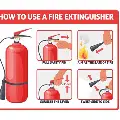
Fire Extinguisher
A pressurized canister using the P.A.S.S. method. Effective on Class A, B, and C fires.
Best for: Electrical, chemical & general
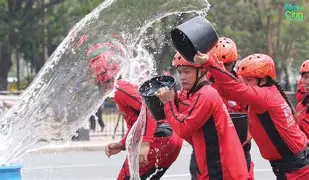
Bucket of Water
Cools burning material below ignition point. Never use on electrical or grease fires.
Best for: Wood, paper, fabric only
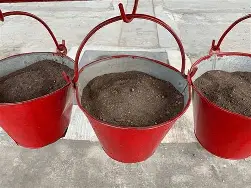
Bucket of Sand
Dry sand smothers flames by cutting off oxygen. Safe near electrical equipment.
Best for: Small fires, electrical areas
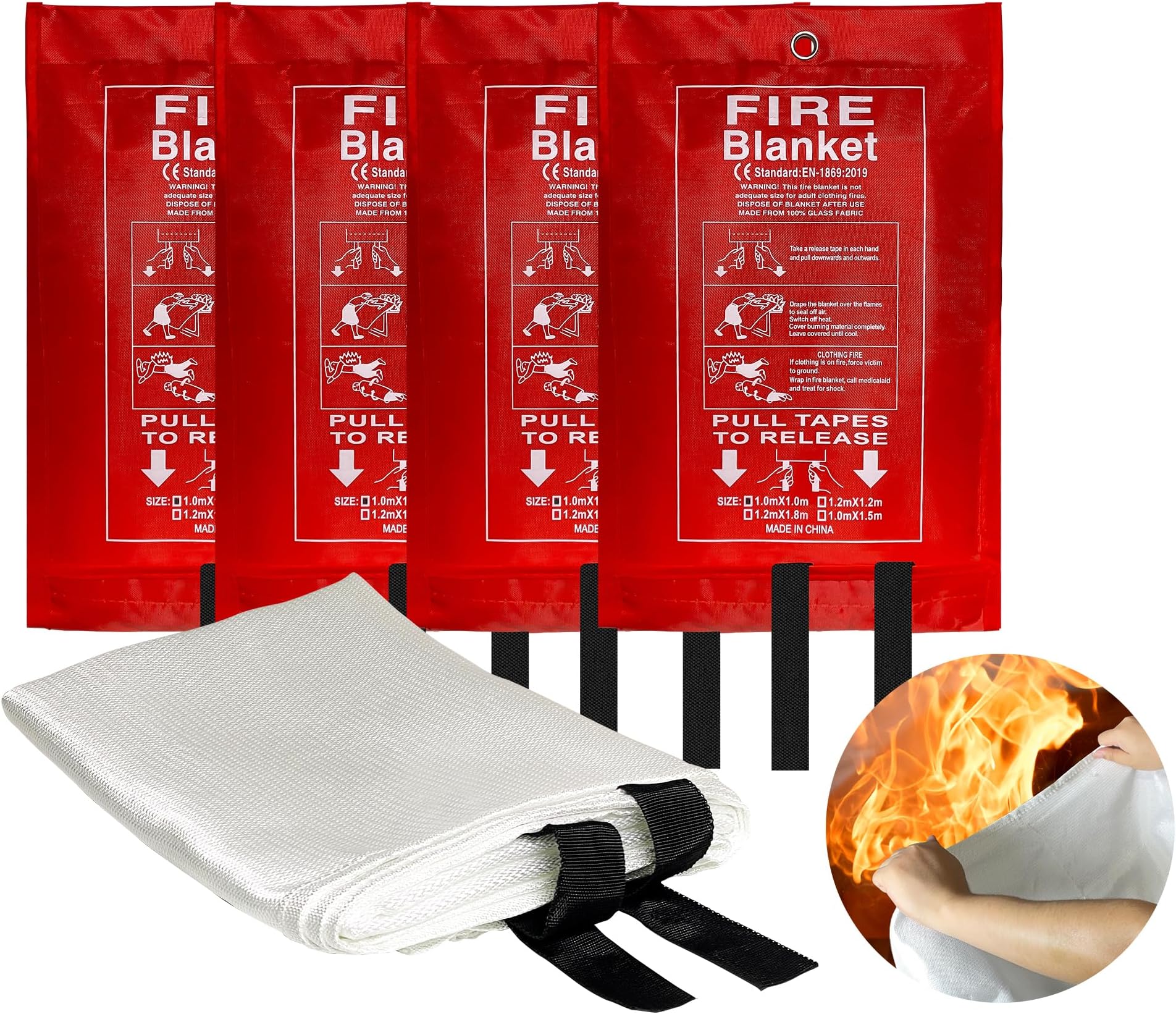
Fire Blanket
Fire-resistant blanket that cuts off oxygen. Useful for kitchen grease and clothing fires.
Best for: Kitchen & clothing fires
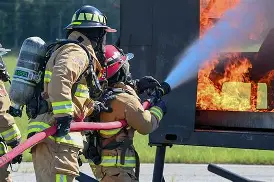
Fire Hose
High-pressure water delivery used by trained firefighters for major structural fires.
Best for: Large-scale building fires
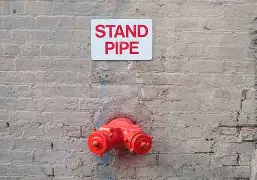
Standpipe System
Permanently installed pipes in buildings. Allows firefighters to fight fires on any floor.
Best for: Multi-story buildings
Core Fire Safety Techniques
Every Filipino household should know these fundamental fire safety principles.
Crowbar Forcible Entry
BFP rescue teams use crowbars to force open blocked doors and access trapped individuals.
Stop, Drop & Roll
If your clothing catches fire: Stop immediately, drop to the ground, and roll. Never run.
Low Crawl to Exit
Smoke rises. Drop to hands and knees and crawl toward the exit below the smoke line.
Test Door Before Opening
Touch the door with the back of your hand. If hot — do not open. Use another exit route.
Call BFP Immediately
Dial 911 or BFP the moment you detect fire. Give your address, floor, and nature of fire.
Close Doors Behind You
A closed door resists fire for 10–30 minutes — giving others more time to escape.
Know Two Exit Routes
Always know at least two ways out. Never use elevators during a fire — use stairwells only.
Be Ready. Stay Safe.
Join thousands of Filipinos who rely on Ligtassunog for fire safety awareness and emergency preparedness.